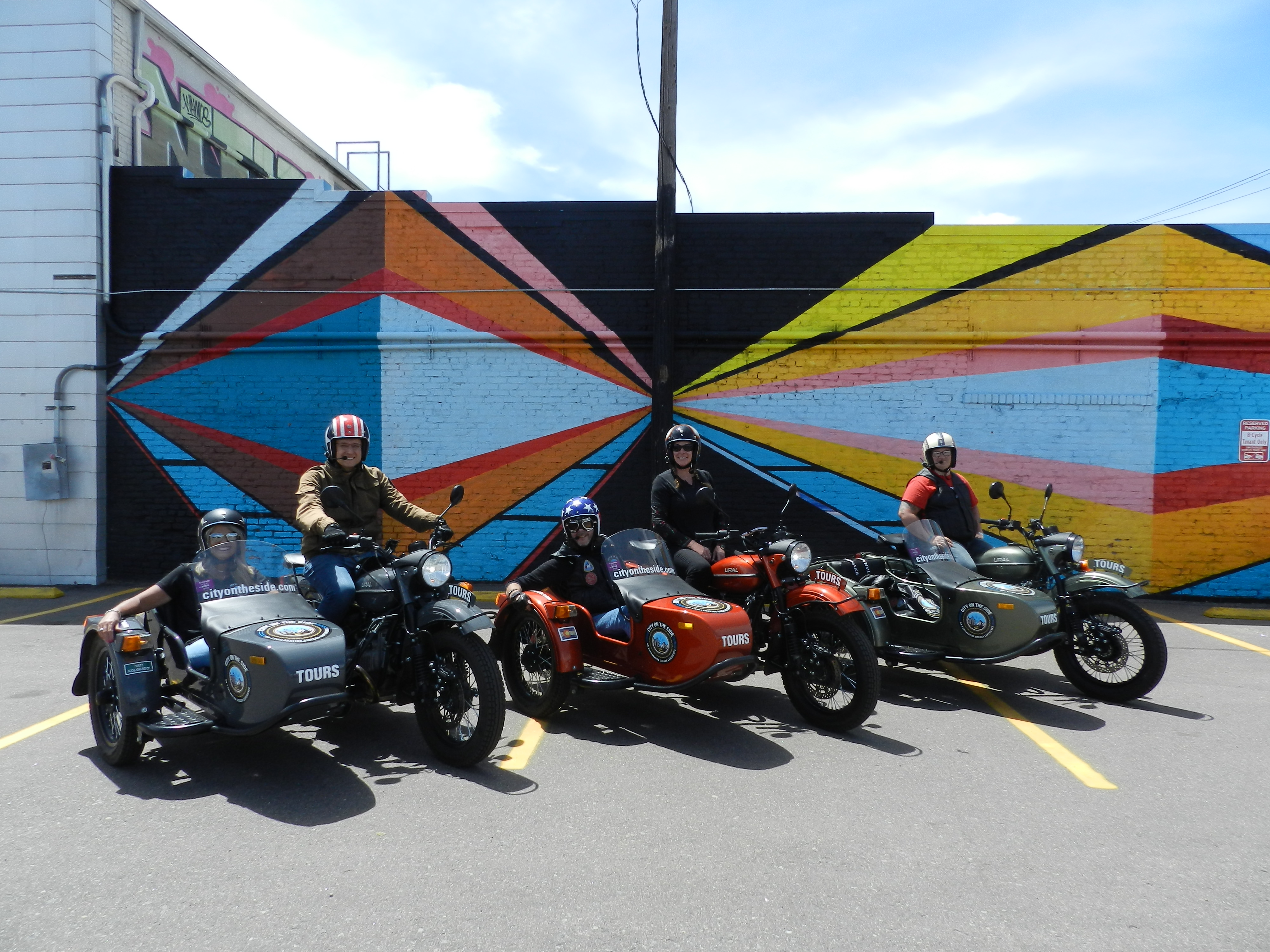
Designing a New Product Offering - Street Art Tour
ProductI consulted at tourism startup City on the Side to expand their product line and design their newest product: a street art tour.
The founder’s launch had been met with customer enthusiasm, but sales disproportionately favored only one of four packages. By evaluating historical sales data, conducting user research, and collaborating with the founder to understand his vision, I developed a new tour that aligned with customer interests and attracted new market segments.
The problem: only 1 of 4 products was selling
When I started working with Scott, the founder of City on the Side, he was offering four tours in sidecar motorcycles. He had imagined that customers would love getting out of the city to see the mountains in the open-air vehicles and designed his product line accordingly: three longer mountain tours and one shorter city tour. However, he was surprised to see that in his first year of operation, he received nine city tour bookings for every one booking for any of the three mountain tours.
Customer research
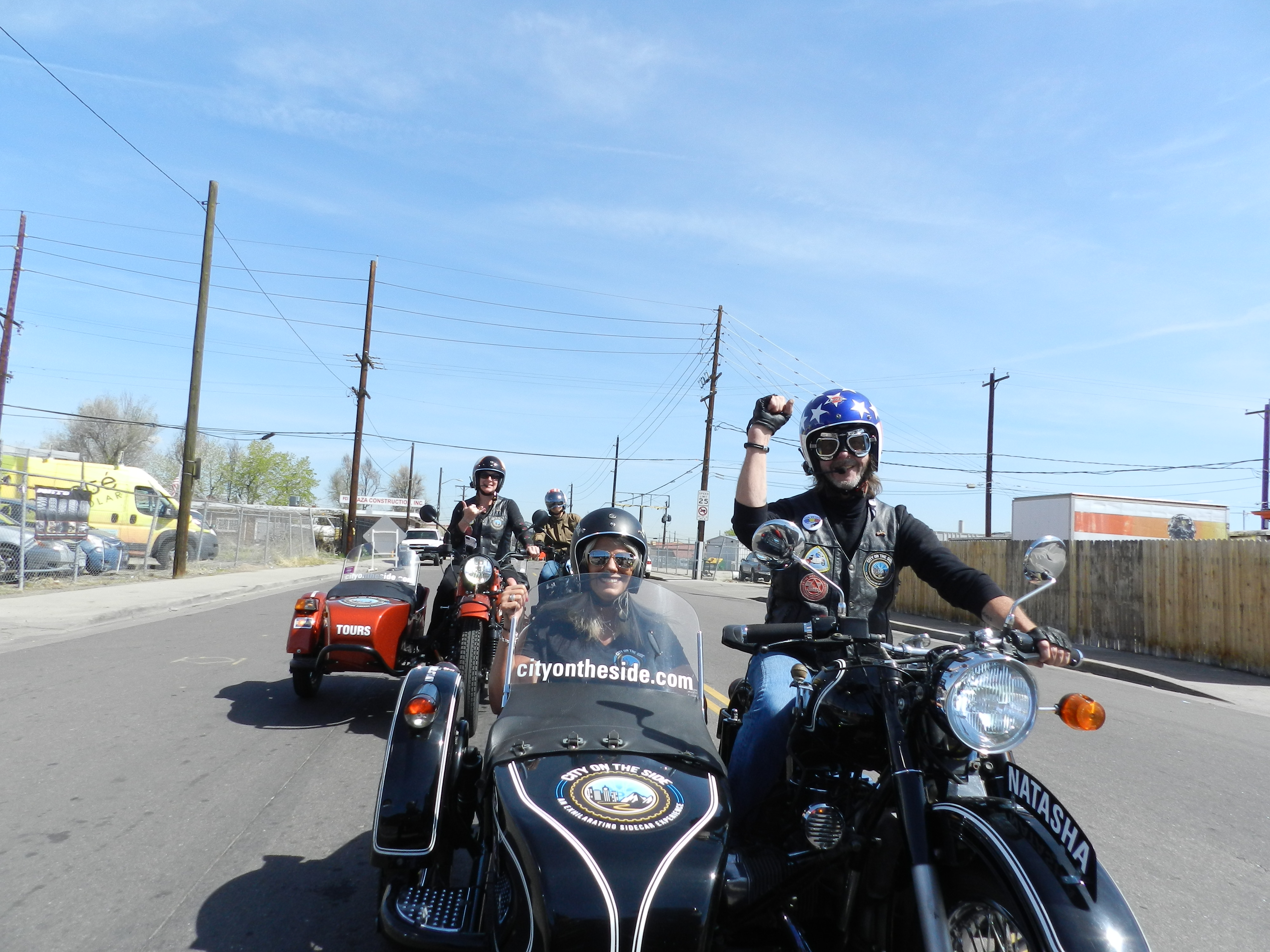
Understanding why customers preferred the city tour was crucial. I joined tours and watched customer reactions as the guides showed them around Denver and the surrounding areas. I also supplemented these direct observations by reading customer reviews and conducting customer interviews with more targeted questions.
I synthesized this research into customer personas and key insights to inform the product strategy going forward.
Customer personas
I found that most customers fell into two main personas:
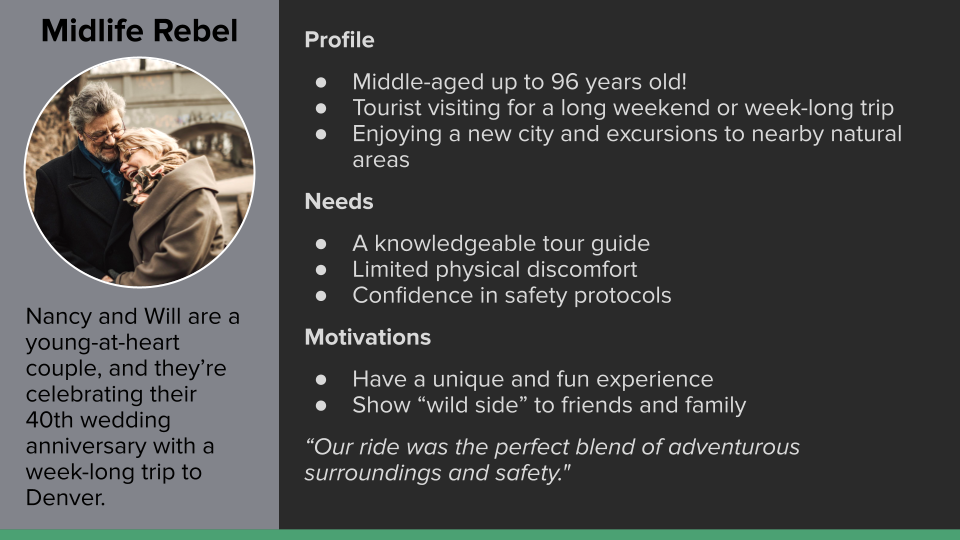
Midlife rebels were looking for a safe and unique way to experience Denver and bring home pictures to show off their wild side.
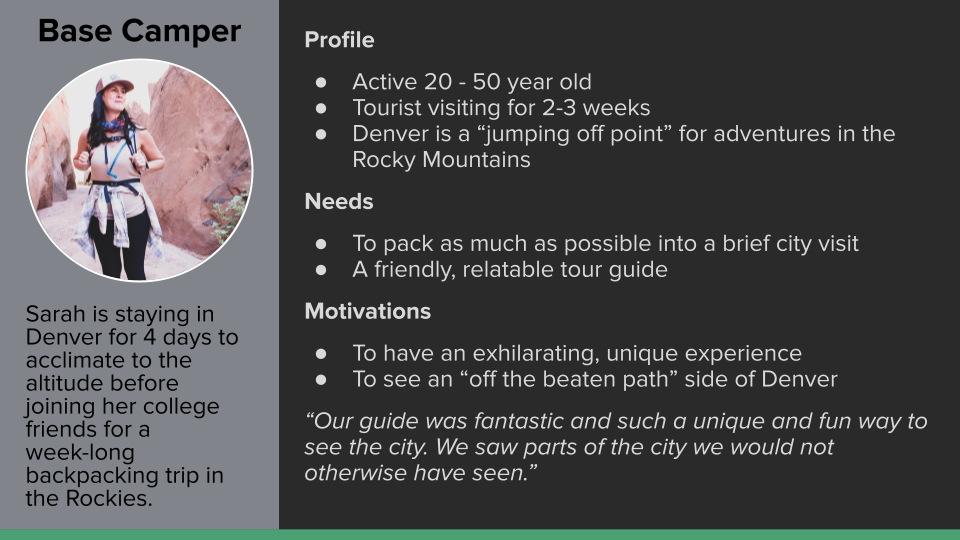
Base campers were trying to pack as much excitement into the urban stop on their adventure trip to the Rocky Mountains.
However, conversations with the tour guides revealed a third persona that was underrepresented in the customer base.
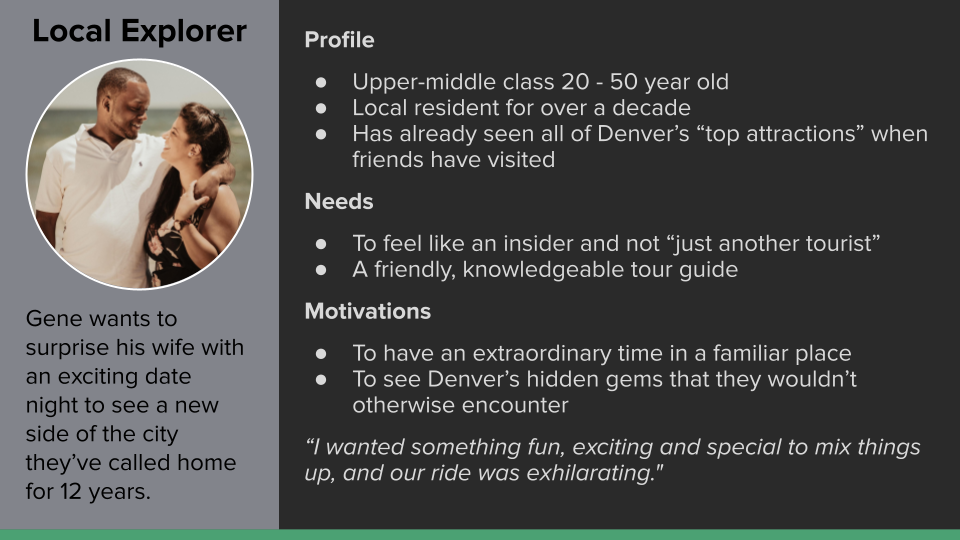
Many guides had told their friends and family about the tours or even taken them on “off the clock” tours that deviated from the standard routes. These locals were excited to see the city from a unique vehicle but were less interested in the typical tourist stops. This group represented an opportunity to attract a new market segment.
Research insights
In addition to creating the customer personas, I synthesized my research into a few key insights.
To answer the question, “Why did customers prefer the shorter city tour?” I found that they wanted to:
-
Make shorter commitments: Most tourists planned trips under two weeks long and stayed in Denver for only a few days. They wanted to pack as many activities into each day as possible, and preferred a shorter 2-hour tour to the 4- or 8-hour tours.
-
Find hidden urban gems: Most customers planned other excursions to the mountains and already knew what they wanted to see or do there - whether a gentle stroll around Red Rocks Amphitheatre or black diamond skiing. In contrast, they hired a tour guide in the city to help them find the “best of Denver” moments an overwhelming amount of urban tourism choices.
-
See a lot in a short amount of time: Customers were eager to see all the sights, and their attention waned if stops were too far apart. The city tour featured more stops that were closer together.
To answer, “What were customers’ favorite and least favorite parts of the existing tours?” I learned that customers wanted:
-
Instagram-worthy photo-ops: Customers loved visually impressive stops and opportunities to take photos of themselves on the motorcycles.
-
A peek into a modern city: The existing tours focused too much on history. Customers enjoyed some historical context, but wanted to learn more about present-day Denver.
These insights informed the product strategy that I pitched to the founder.
Product strategy
The new product strategy would expand the suite of tours to leverage what was already working well and improve on weaker areas. I proposed creating a new short city tour that highlighted Denver’s colorful street art scene.
Tourists and locals alike were often surprised to learn that Denver plays host to one of the largest urban art festivals in North America. Introducing customers to the city’s “hidden gems” and tucked-away art would deepen the business’ core value proposition by offering a tour route as unique as the sidecar motorcycles. It would also capitalize on visually stunning tour stops and leverage customers’ photo-ops as social marketing content.
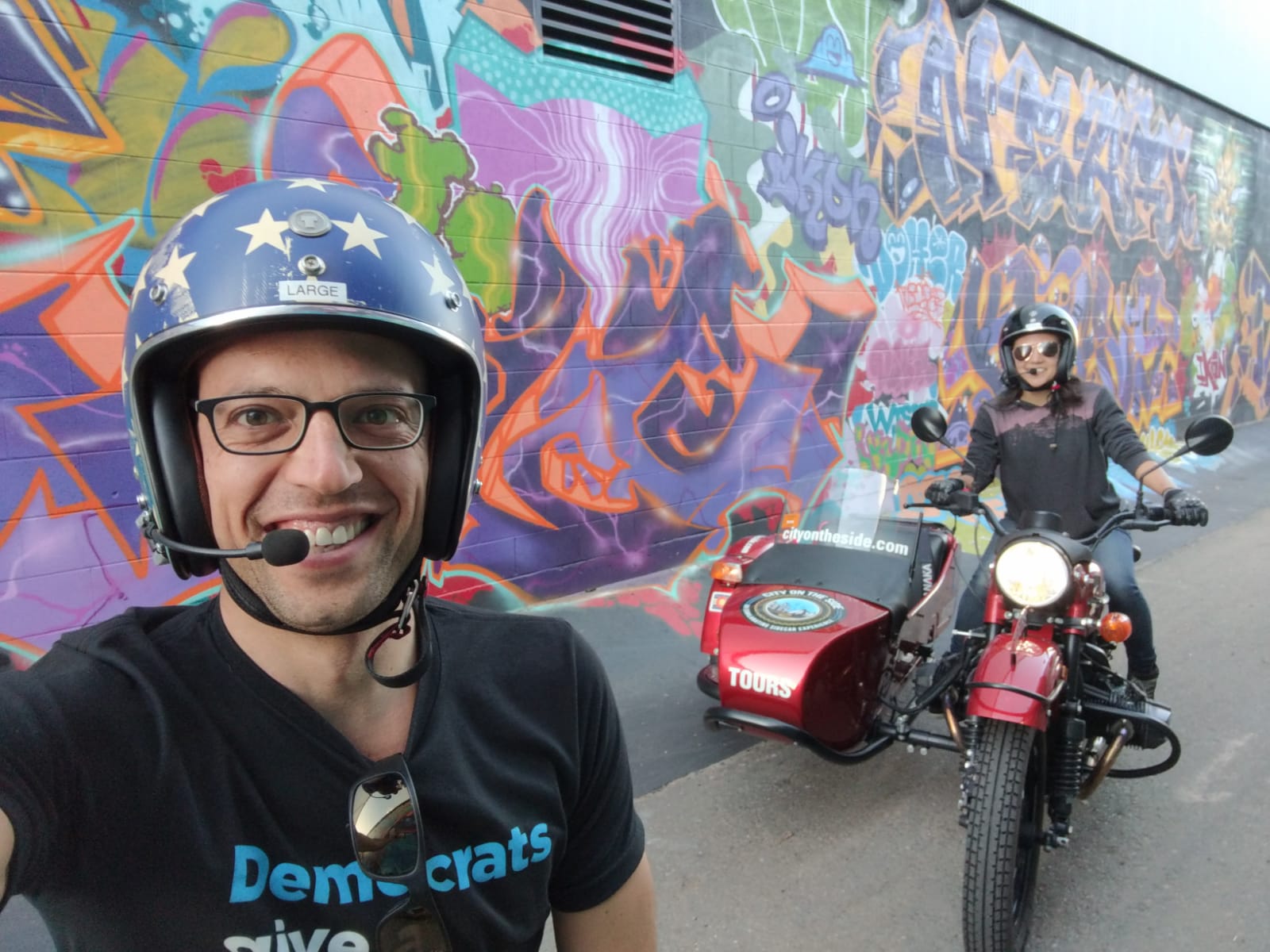
I collaborated with the founder to ensure that his vision was well-represented in the proposal. He wanted to highlight local businesses as much as possible, so I adjusted the plan to incorporate independent art galleries that he could partner with. Overall, he was enthusiastic about the project, and I kept him tightly involved throughout the development process.
Development process
To create the tour experience, I hit the pavement to visit over a hundred pieces of street art, researched the neighborhoods’ and artists’ backgrounds, and interviewed over fifty artists. I wove the information into routes and narratives to introduce customers to the vibrant street art scene in Denver.
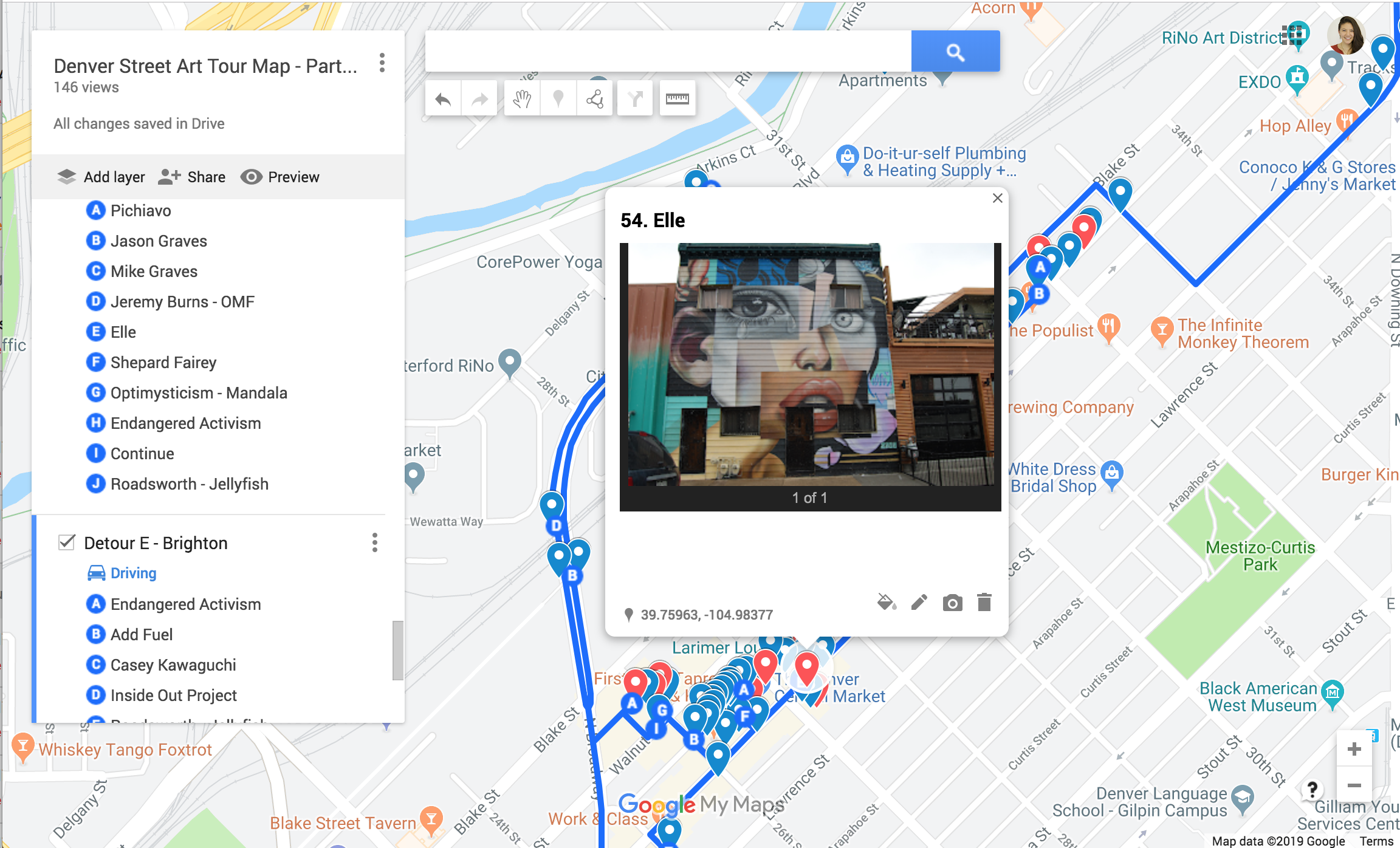
I invited former customers, locals, and tour guides to join me on the free “beta tour” and iterated on the customer experience based on their feedback. To make the tour reproducible, I developed a training program and materials for tour guides to learn how to conduct the tour. Because the training made the tour delivery more consistent and made onboarding new guides more efficient, I rolled out similar training programs to the other four tours.
Street art and motorcycles: a match made in heaven
The new tour offering was well-received and became a favorite for the customers and tour guides alike. A few seasons later, the product strategy and robust training operations were key factors for a successful acquisition and exit.